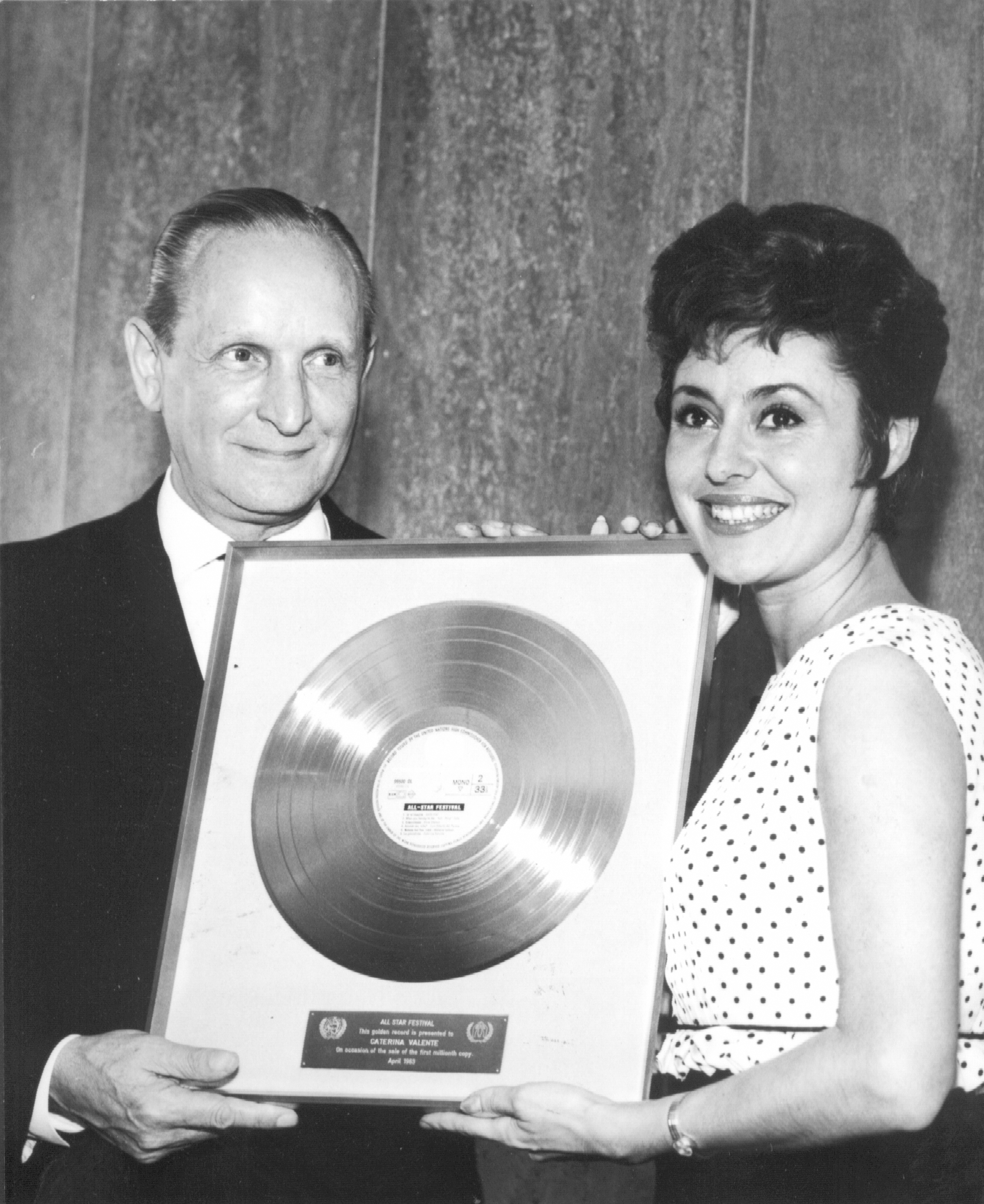
The historical record is clear: the 1960s UNICEF LP featuring Caterina Valente, Édith Piaf, Bing Crosby, Louis Armstrong, and others was a landmark. It established a blueprint. It proved that uniting the world’s biggest stars under a charitable banner could capture the public’s imagination and, theoretically, generate substantial aid.
Let’s be unequivocal: the cause was worthy. We do not question the genuine need or the hope that funds reached their intended destinations. However, to ignore the powerful, self-serving undercurrent of these events is to be willfully naive.
The model perfected by subsequent mega-events—”We Are The World,” “Do They Know It’s Christmas?,” Live Aid—is not pure philanthropy. It is a high-profile transaction. For the artist, it is a potent opportunity to burnish their public image, to align their brand with humanitarianism, and to gain invaluable global exposure. This is a symbiotic relationship: the needy receive aid, and the “greedy” receive a polished reputation and a boost to their marketability. It is the ultimate “give and take.”
We are not attacking the concept of charity. We are attacking the illusion.
Our investigation into this theme is driven by cold, hard testimony from within our own ranks. We have witnessed colleagues and talented friends—idealistic participants in “benefit” events—emerge financially devastated, professionally exploited, and emotionally shattered. They entered with generosity, only to discover they were pawns in a game run by individuals exploiting a crisis for personal gain, brand elevation, or corporate profit.
The conclusion is inescapable and brutally simple:
**In the Entertainment Industry, you either understand that “benefit” is also a business, or you will be crushed by it.**