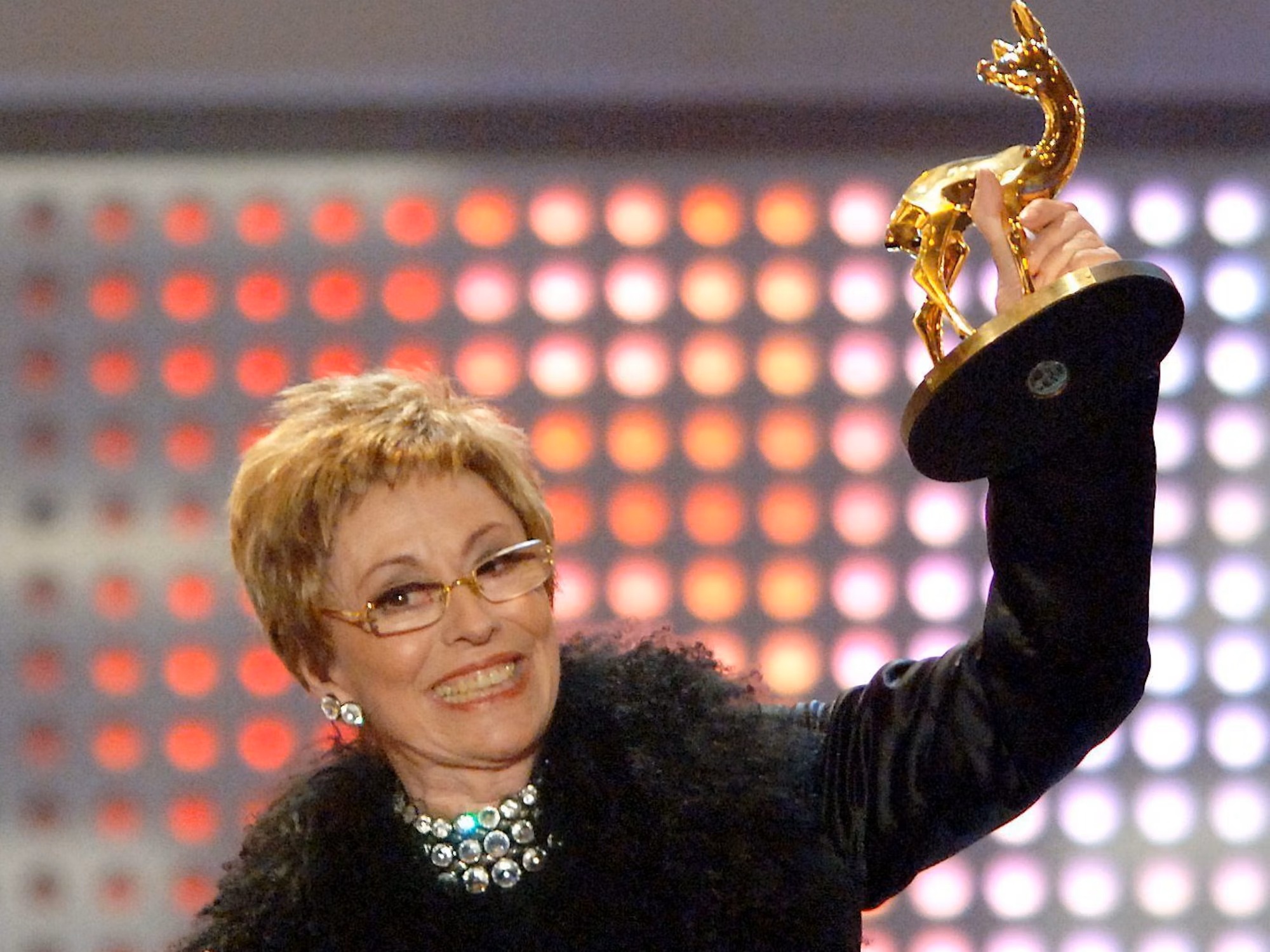
We live in a world hungry for validation. From LinkedIn endorsements to Instagram likes, we’re constantly measuring our worth through external metrics. This craving is perhaps most visible in the glitzy, glamorous world of celebrity and media. And nothing says “you’ve made it” quite like a gleaming award held aloft on a national stage.
But have you ever stopped to wonder who, exactly, is doing the awarding?
I’m not talking about the Oscars®, Grammys®, or Emmys®. Love them or loathe them, those institutions have a defined process. They are voted on by thousands of peers—actors, musicians, directors, technicians—who (theoretically, at least) recognize excellence within their own field. The value of these awards, while debatable, is rooted in the respect of one’s professional community.
No, I’m talking about a different breed of award. The kind bestowed by media conglomerates themselves. The process for these is often far more opaque. A relatively small committee of editors, producers, or journalists—all employees of the same parent company—gathers to decide who the “Person of the Year,” “Most Stylish,” or “Biggest Influencer” is.
The first curious rule? You must be present to win.
It’s a fascinating stipulation. The award is contingent not just on your achievement, but on your willingness to attend a televised gala, walk the red carpet, and provide a photo-op as you accept your accolade. Your absence voids the honor. This transforms the award from a recognition of merit into a transaction: we will celebrate you, and in return, you will lend us your star power and guarantee us viewers.
This isn’t to say the winners aren’t deserving. Often, they are incredibly talented, influential, or have had a remarkable year. The issue isn’t the recipient; it’s the engine behind the entire mechanism.
The event is a masterclass in vertical integration. The media group:
Creates the product: The award and the ceremony.
Provides the platform: Their own television network and digital properties.
Generates the content: Hours of red carpet coverage, interviews, and a primetime special.
Sells the advertising: Profiting from the very audience they attract by celebrating the celebrities they’ve awarded.
It’s a brilliantly self-sustaining loop. They create the news, report on the news, and profit from the news.
This leads to the most jarring part of the cycle. The same media entity that just weeks ago was fêting a celebrity on a national broadcast, placing a crown on their head, might turn around and publish scathing critiques, invasive exposes, or negative opinion pieces about that very same person.
Is it hypocritical? From a viewer’s perspective, it certainly feels like it. One day they are the arbiter of your greatness, the next they are the judge of your downfall.
But within the logic of the modern media machine, it’s not a contradiction—it’s just business. The awards show is one product line: Entertainment. The hard-hitting critique is another product line: Journalism (or its edgier cousin, Commentary). Each has its own revenue stream and audience. The left hand celebrates you because it’s profitable, while the right hand critiques you because that, too, is profitable.
So, what’s the takeaway?
It’s a simple reminder to be a more conscious consumer of media. The next time you see a celebrity receiving a shiny trophy from a talk show host or a media magnate, appreciate it for what it is: a spectacle. A form of entertainment. A mutually beneficial business arrangement.
Enjoy the glamour, the fashion, and the speeches. But perhaps don’t invest it with the same weight as an honor earned through the anonymous, peer-reviewed votes of a professional academy. The true value of any award is not in its glimmer, but in the hands that bestowed it.
And those hands are often holding a microphone in one and a contract in the other.