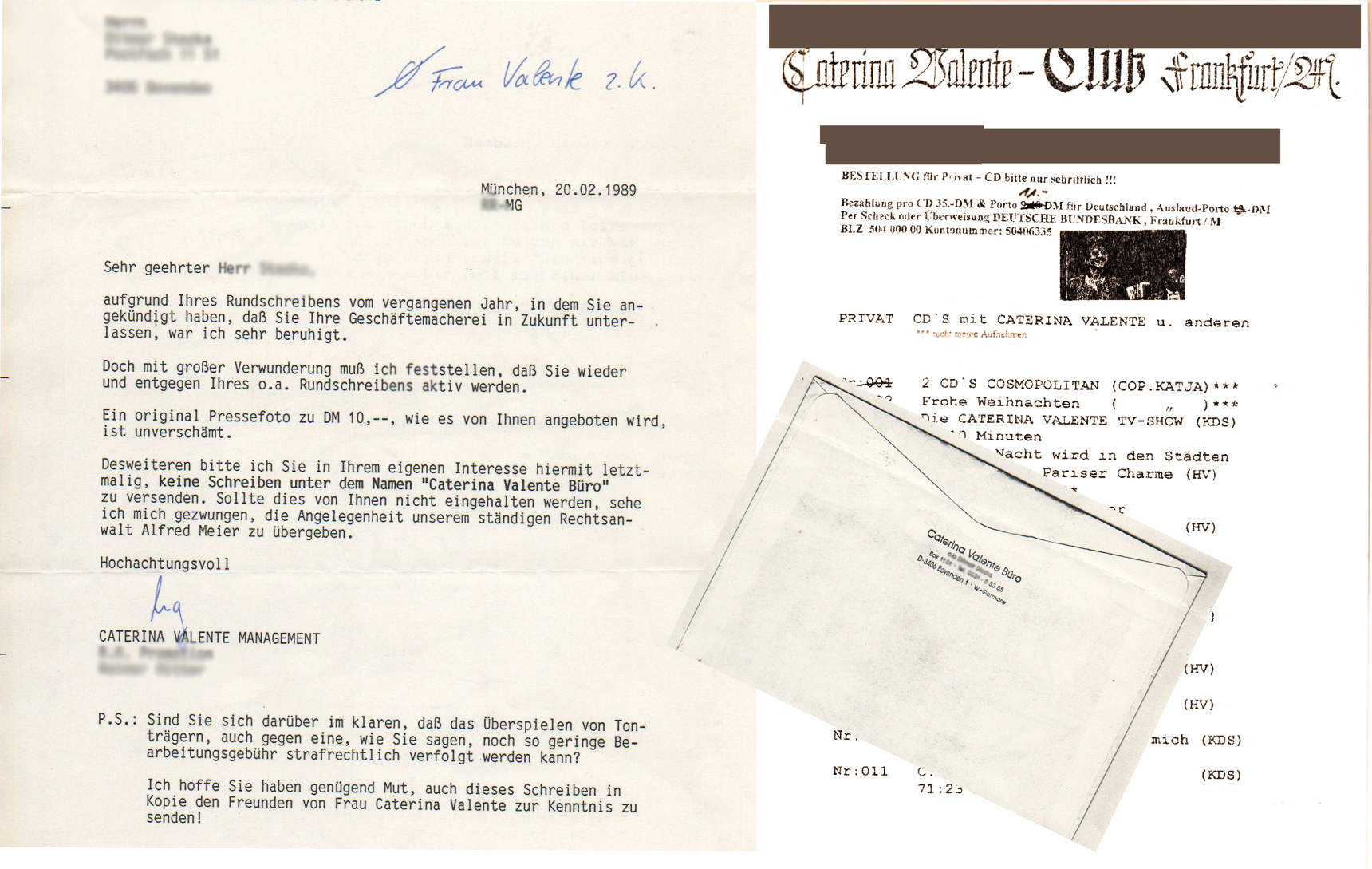
Executive Summary: This investigation examines the modern phenomenon of “free riders” – entities that leverage copyrighted content without permission for their own gain. Moving beyond simple piracy, we document a more insidious trend: businesses, including professional service providers, systematically using unauthorized audio and video to build their own brands, often under the guise of providing a promotional service to the original creators. This report outlines the mechanisms, the ethical and economic impacts, and the challenging landscape rights-holders must navigate to protect their work.
1. The Historical Precedent: Free Riders Before the Internet
Long before the first website was launched, the concept of the “free rider” existed. Unscrupulous individuals would position themselves as unofficial agents or representatives of celebrities, leveraging the star’s fame to secure deals, perks, or payments for themselves, all without any consent.
- Documented Case Study: In the 1970s, a man famously posed as the representative for The Beatles, booking non-existent concerts and pocketing advance payments. This historical example illustrates the core principle: exploiting the value of another’s brand or creation for unauthorized personal benefit.
2. The Digital Amplification: A Problem on Steroids
The internet demolished the barriers to becoming a free rider. Today, anyone with a connection can upload content to global platforms.
- The “Claim and Takedown” Burden: The current system, established by laws like the Digital Millennium Copyright Act (DMCA) in the U.S., places the entire burden of enforcement on the rights-holder. They must constantly monitor the web, file formal claims, and request takedowns. This is a reactive, time-consuming, and often futile game of “whack-a-mole” for artists and independent creators.
3. The Investigation: When Service Providers Become Free Riders
Our investigation has identified a specific and troubling pattern within the entertainment ecosystem. We have reviewed multiple instances where production companies that offer paid services (such as voice-over, scoring, audio mastering, and video editing) are actively using a controversial marketing tactic.
The Tactic:
- A company identifies a popular, but not globally mainstream, musical artist or a viral video clip.
- Without contacting the artist or securing rights, the company uploads the audio or video to its own YouTube channel and other social media platforms.
- The content is often re-edited, sometimes with subtitles or a minor technical “analysis” in the description.
- The channel’s bio and the video descriptions state that the company’s goal is to “showcase amazing talent” or “promote great art.”
The Unspoken Reality:
- SEO and Algorithm Gaming: By uploading popular, searchable content, these channels gain significant traffic, subscribers, and authority in the eyes of platform algorithms.
- Brand Building: The company positions itself as being associated with high-quality art, creating a “halo effect” that makes them appear more established and credible.
- Monetization: While they may not directly monetize the specific video with ads (as that could be claimed by the original rights-holder), the channel itself becomes a valuable asset. It drives potential paying clients to their core business services.
4. The Rights-Holder’s Dilemma
We spoke with several artists and independent label managers who have discovered their work used in this manner. Their perspective reveals a complex problem:
- An Artist’s Statement (provided anonymously): “It’s a violation. If I wanted promotion, I would hire a PR firm or a marketing agency with a clear contract and a defined strategy. I wouldn’t give a random company a blank check to use my master recording to build their own brand. They are not doing this for me; they are doing it for themselves. But if I issue a takedown, I look like the ‘ungrateful artist’ biting the hand that ‘promotes’ them.”
- The Professional Promoter’s View: A digital marketing executive at a reputable firm stated, “Legitimate promotion is a consensual business relationship. What these entities are doing is brand-jacking. It’s a parasitic practice that devalues the work of professional marketers and exploits the creator.”
5. Navigating the Legal and Ethical Quagmire
This practice often operates in a legal grey area.
- Fair Use? Companies may attempt to claim “Fair Use,” arguing their use is transformative (e.g., for “criticism” or “commentary”). However, legal experts we consulted suggest that using a full-length track or video to promote one’s own commercial business severely weakens a Fair Use defense, as it is directly for commercial gain.
- The Backlash Risk: As the artist quoted above highlights, the social and PR backlash from taking action can be a powerful deterrent. The free-rider company can frame the narrative, painting the rights-holder as unreasonable.
Conclusion and Recommendations
The digital free rider has evolved from a simple pirate into a sophisticated entity that exploits both content and the social dynamics of the internet. They leverage the rights-holder’s work to create a marketing funnel for their own commercial gain, all while hiding behind the thin veil of “promotion.”
For creators and rights-holders:
- Vigilance is Key: Regularly conduct audits of your key content titles across major platforms.
- Document Everything: Before issuing a takedown, screenshot the offending channel, its “About” page, and other videos to establish its commercial nature.
- Weigh the Response: Decide if a standard takedown notice, a public comment calling out the practice, or a formal cease-and-desist letter is the most appropriate response based on the severity and the offender’s profile.
- Educate the Community: Sharing information about these tactics helps other artists recognize and respond to them effectively.
The core issue remains one of consent and value. In the digital arena, the right to control how one’s own creative work is used and commercialized remains the fundamental line between legitimate collaboration and exploitative free-riding