The concept of a “tribute” holds a hallowed place in musical tradition. At its best, it is an act of profound respect, a deep dive into another artist’s work that yields a new, personal interpretation. Herbie Hancock’s Grammy-winning album River: The Joni Letters isn’t just a replication of Joni Mitchell’s Blue; it’s a jazz reimagining that converses with the source material. Dianne Reeves’ tribute to Sarah Vaughan is a jewel because it refracts Vaughan’s brilliance through Reeves’ own formidable prism. Eric Clapton’s Me and Mr. Johnson was a revelation, uncovering new shades of blues despair and resilience within Robert Johnson’s ancient recordings. These are artists using the master’s tools to build a new house.
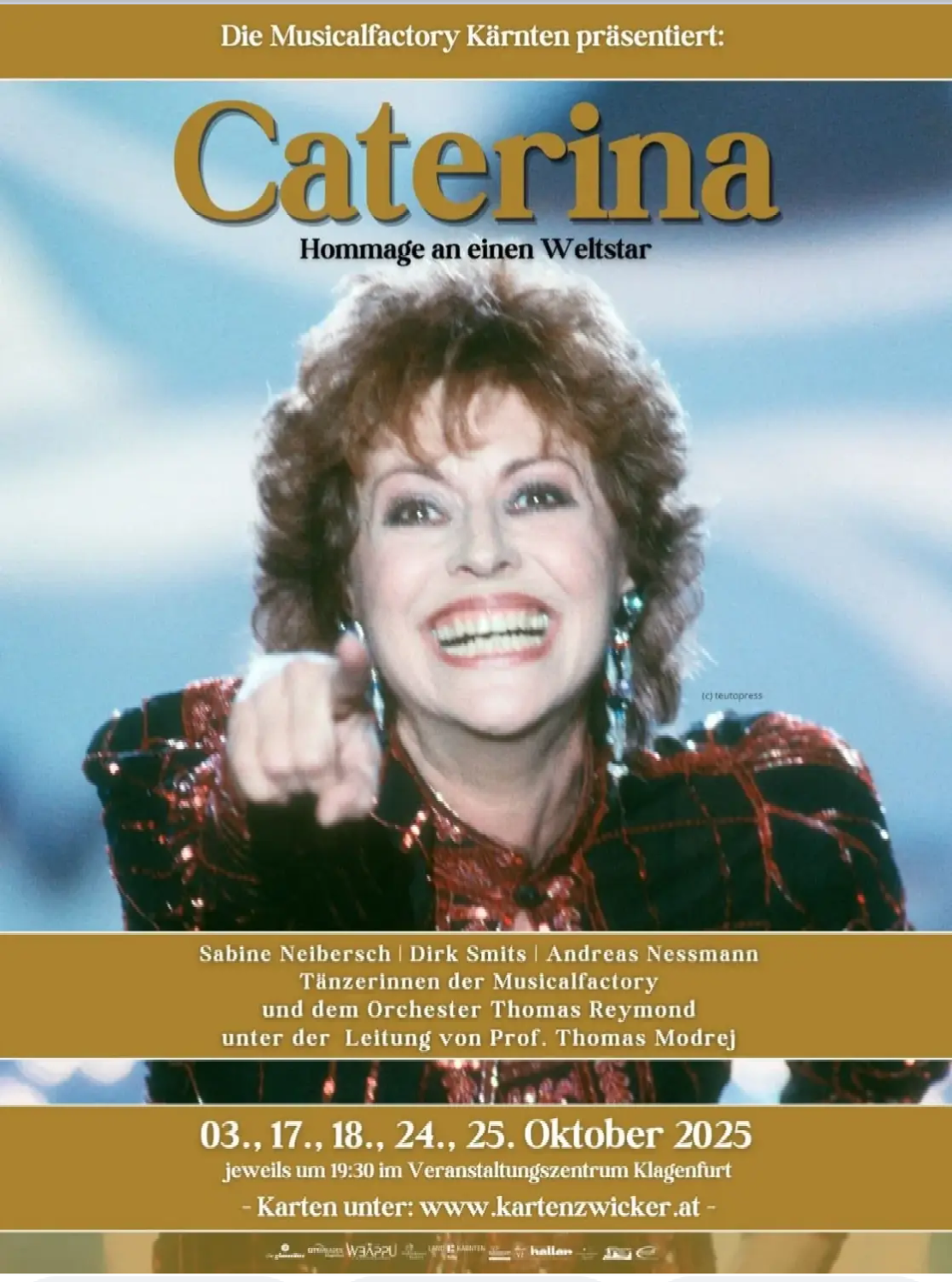
But a cultural shift has occurred. The heartfelt homage has been supplanted by an industrial-scale mania for replica acts. We are now inundated with tribute bands and shows dedicated to every major act: Queen, ABBA, Streisand, Aretha Franklin, Tina Turner, Metallica, and countless others. The market, particularly in German-speaking countries, is flooded with productions honoring legends like Caterina Valente, Mina, and Dalida. And let’s not forget the endless, and often interchangeable, Sinatra tributes.
The critical distinction, however, lies between interpretation and imitation.
The former is an artist’s journey; the latter is a craftsman’s copy. The former seeks dialogue; the latter seeks duplication. This is where the industry has taken a cheap and artistically barren turn. Potentially great talents are funneling their energy into perfecting another’s mannerisms, vocal inflections, and stage moves, effectively becoming high-quality karaoke machines. The goal is no longer to understand the spirit of the music, but to replicate the surface of its most famous performer.
This phenomenon was thrown into stark relief by a recent gala concert in Berlin, a tribute to the iconic Caterina Valente for her 80th birthday. The event featured an array of big German stars. The honoree herself, long retired, did not attend. After viewing a recording of the event, Valente’s reported reaction was devastating and telling: “I am very disappointed. If this is what they have learned from me, I have miserably failed.”
This is not a casual critique; it is a master’s verdict on the failure of emulation. Valente did not hear her own artistic courage, innovation, or unique spark reflected back at her. She heard a hollow echo. This sentiment can be applied to a vast number of touring tribute shows. The problem is not the material—the Great American Songbook is timeless, and rock anthems are eternally potent. The problem is the lack of creative courage.
Watching many of these shows—be it for Sinatra, Streisand, or others—one is struck not by artistry, but by its absence. They are not tributes; they are auditions for a role that requires no original thought. The performances become museum dioramas: technically detailed but utterly lifeless, preserving a form while killing its spirit.
The assertive conclusion is this: There is no inherent problem with singing the material of your idols. Every artist stands on the shoulders of giants. The sin is in refusing to stand up. True tribute requires an artist to bring their own voice, their own creativity, and their own soul to the work. Without that essential, personal investment, you are not an artist paying respect. You are merely a sad copy, and in the process, you betray the very innovation and bravery that made your idol worth honoring in the first place. The greatest tribute any artist can pay is to be themselves, inspired by the greats, but never enslaved by them.