To understand the modern parasite, we must first understand its playground: the labyrinth of intellectual property. Our story begins not with a villain, but with a pioneer and a gesture of friendship.
In December 1964, producer Erik van Aro Sr. made broadcast history with West German Television’s first talk show, “Zwischenstation.” His inaugural guest was his wife, Caterina Valente, an international superstar whose name sold records and packed concert halls across Europe and America.
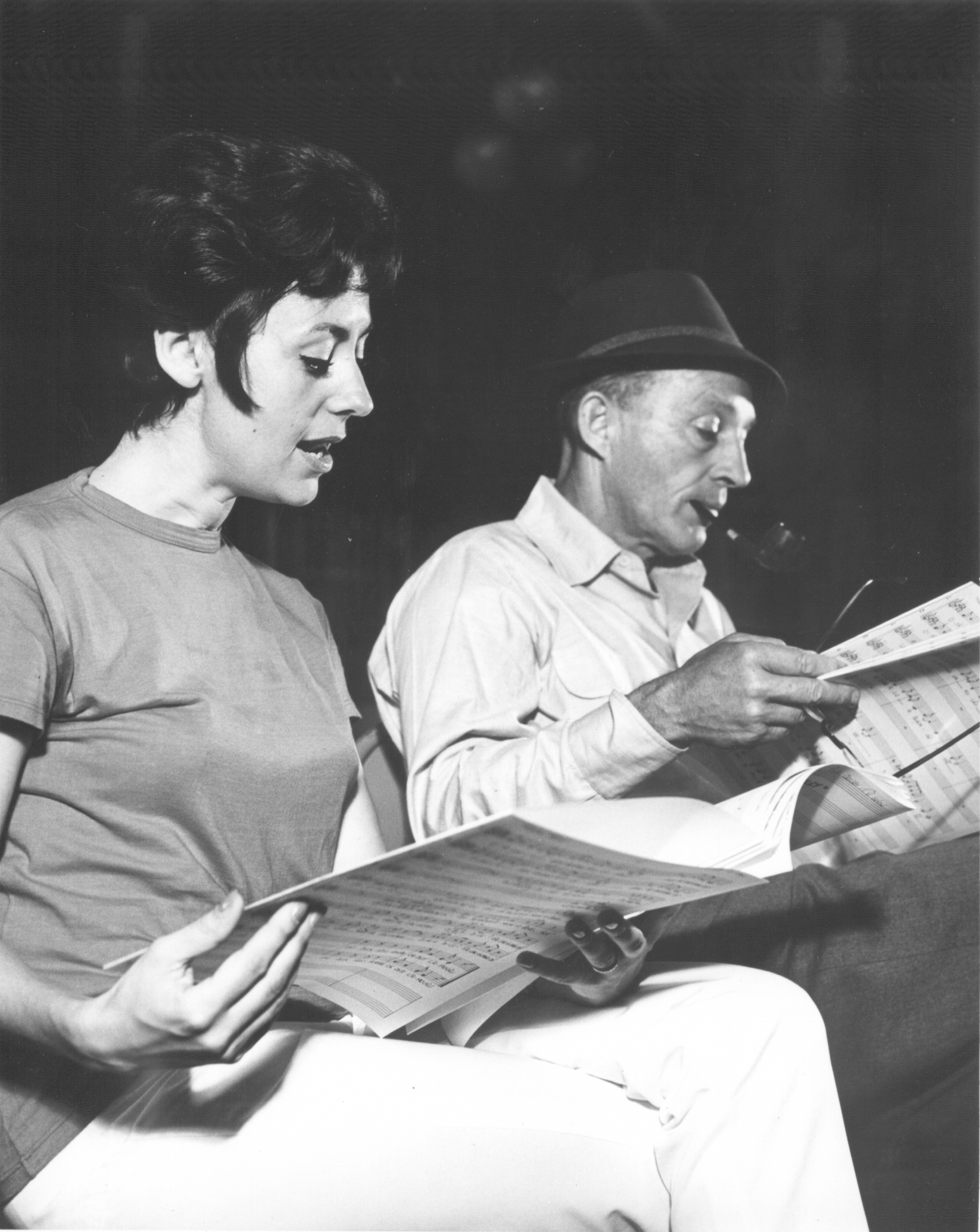
Van Aro, a sharp professional, wanted to showcase her global appeal. He secured footage of her performance on “The Bing Crosby Show.” And here lies our first critical lesson: rights are not monolithic. Bing Crosby, owning his performing rights, generously granted them to van Aro for free. A class act. But a single performance is a tapestry of rights—from the songwriters and publishers to the network that filmed it. Van Aro knew this. He diligently cleared and paid for every necessary right, setting a standard for professional integrity.
Now, fast forward several years. The scene shifts. Caterina Valente, ever gracious, is approached by another friend in the industry. He wishes to feature her in his show. In a spirit of camaraderie, she freely offers her performing rights—just as Crosby had done for her husband.
This is where the system reveals its teeth.
Valente’s gift was personal, but the performance she was in involved others. The producers who funded the original show held rights. The fellow musicians who shared the stage held rights. The songwriters held rights. Her friend, perhaps willfully ignorant or negligently optimistic, failed to secure these. The state-run television station, armed with this incomplete package, aired the material anyway.
They knew a simple, devastating truth: the cost of litigation for an individual artist against a state-funded behemoth is astronomically prohibitive. It’s a calculated risk. The parasite—in this case, the institution—banks on the host being too weak to fight back. They exploit the material, deriving value (nutrients) at the host’s (the artists’ and rights holders’) expense, knowing the odds are stacked in their favor.
This narrative is a microcosm of the entire industry. It underscores an uncomfortable reality:
Good Intentions Are a Liability: In a world built on contracts, a handshake deal is a vulnerability waiting to be exploited.
The System is Designed for Exploitation: Large entities often operate with a presumption of impunity, relying on the financial asymmetry between themselves and creators.
Ignorance is Not Bliss—It’s Expensive: A creator’s lack of understanding of their own rights—or the rights intertwined with their work—is the primary entry point for parasitic practices.
This first adventure shows that even positive relationships can be exploited by a negligent or malicious system. The parasite isn’t always a greedy individual; sometimes, it’s the ingrained culture of an institution that values content over consent and convenience over law.
Stay tuned for our next adventure, where we delve into a far darker tale of deliberate theft and the long, quiet struggle for justice.